Winter places extra demands on anyone receiving care at home. Colder weather, shorter days and more time indoors can affect appetite, energy and routine. Three areas make the biggest practical difference: medication, meals and warmth.
At Avant Homecare, we support people across London and beyond with personalised home care that protects independence and comfort. The basics below are ones families and carers often focus on as the temperature drops.
Medication routines that stay reliable
Cold weather and disrupted days can make it easier for doses to be missed or taken at the wrong time. A clear, consistent system helps.
- Keep medicines in one agreed place that is easy to reach but safe from children or pets.
- Use a simple pill organiser or a written list with times, especially if several medicines are involved.
- Note any medicines that should be taken with food, and link those doses to meal times.
- Check supplies before weekends or holidays so nothing runs out when pharmacies are closed.
- If a professional carer visits, make sure they have clear instructions and know who to contact with questions.
Regular timing matters more in winter, when people may sleep longer or eat less. A short daily check, whether by family or a carer, reduces the chance of gaps.
Meals that support energy and warmth
Appetite often falls when people are less active and the weather is cold. Smaller, more frequent meals can be easier than three large ones.
Warm food helps both comfort and body temperature. Simple options such as soups, stews, porridge or hot drinks are easier to prepare and more appealing than cold meals. Keep easy-to-heat items in the cupboard or freezer so a nutritious meal is still possible on low-energy days.
Hydration remains important even when people feel less thirsty. Warm drinks count towards fluid intake and are often preferred to cold water. If someone is reluctant to drink, offering tea, diluted squash or soup at regular points in the day can help.
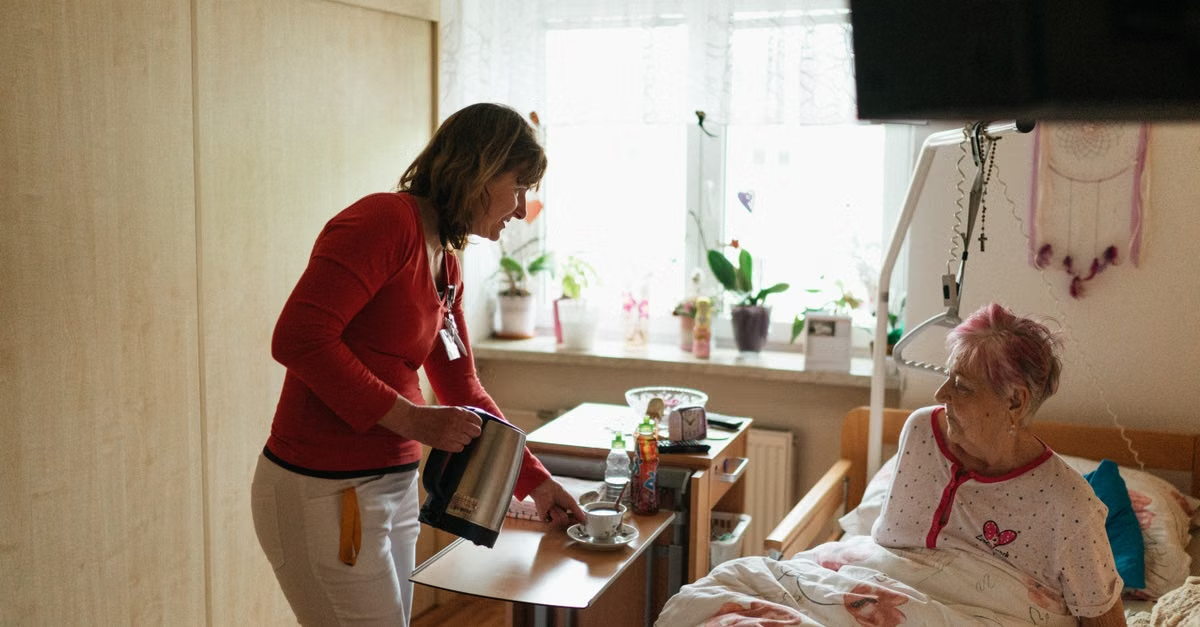
A visiting carer can prepare or reheat meals, sit with the person while they eat, and note any changes in appetite that the family should know about.
Warmth without risk
Keeping the home warm enough is essential, particularly for older people who feel the cold more. Aim for a steady, comfortable temperature rather than sudden blasts of heat.
Practical points include:
- Closing curtains at dusk to keep heat in.
- Making sure the person can reach extra layers or a blanket without getting up unnecessarily.
- Checking that heaters and hot-water bottles are used safely and are not left against skin for long periods.
- Confirming that any electric blankets or heaters have been tested and are in good condition.
If someone has reduced mobility, a carer can help with layers, warm drinks and checking the room temperature so the person does not have to manage it alone.
Bringing the basics together
Medication, meals and warmth work best when they are part of a simple daily rhythm. A morning visit can cover medicine, a warm breakfast and a check that the heating is on. An evening visit can do the same for supper and settling for the night.
These routines reduce worry for families and give the person receiving care a more predictable, comfortable day. When needs increase, professional home care can take on some or all of these tasks while still supporting independence.
If you would like to discuss winter support for a loved one, Avant Homecare can help you find the right level of care. Call our head office on 0203 805 0610 or visit avanthomecare.co.uk.