As temperatures rise during the summer months, staying hydrated becomes increasingly important for everyone. However, for older adults, maintaining proper hydration is particularly critical. Ageing can affect how the body regulates fluids, making elderly individuals more vulnerable to dehydration and the health complications that can follow.
At Avant Homecare, we understand that even seemingly small aspects of daily wellbeing, such as drinking enough water, can have a significant impact on overall health, comfort, and independence. By understanding the importance of hydration and recognising the signs of dehydration, families and carers can help ensure older loved ones remain safe and healthy throughout the warmer months.
Why Older Adults Are More Vulnerable to Dehydration
As we age, the body’s ability to conserve water becomes less efficient. Many older adults also experience a reduced sensation of thirst, meaning they may not realise they need fluids until dehydration has already begun.
Certain medications, medical conditions, and mobility challenges can further increase the risk. Some individuals may intentionally drink less because they are concerned about frequent trips to the bathroom, while others may simply forget to drink regularly throughout the day.
These factors combine to make dehydration a common concern in elderly care, particularly during periods of hot weather.
The Impact of Dehydration on Health
Dehydration can affect far more than just physical comfort. Even mild dehydration can lead to symptoms that impact an individual’s daily life and well-being.
Common effects include tiredness, headaches, dizziness, and reduced concentration. Older adults may also become more susceptible to confusion, weakness, and balance issues, increasing the risk of falls and accidents.
If dehydration becomes severe, it can contribute to more serious health problems, including urinary tract infections, kidney complications, and hospital admissions. This is why maintaining fluid intake should be viewed as an essential part of daily care rather than simply a recommendation.
Hot Weather Increases Fluid Loss
During the summer, the body naturally loses more fluid through perspiration as it works to regulate temperature. Activities that may seem relatively gentle, such as gardening, walking, or sitting outdoors, can contribute to increased fluid loss when temperatures are high.
For older adults, this means hydration needs often increase during warmer weather. Without regular fluid intake, dehydration can develop more quickly than many people realise.
This is particularly important during heatwaves, when prolonged exposure to high temperatures places additional strain on the body.
Recognising the Signs of Dehydration
One of the challenges with dehydration is that symptoms can sometimes be mistaken for normal signs of ageing or fatigue.
Family members and carers should remain alert to potential warning signs such as:
- Increased tiredness or lethargy
- Dizziness or light-headedness
- Dry mouth or lips
- Dark-coloured urine
- Headaches
- Confusion or unusual behaviour
Identifying these symptoms early allows action to be taken before more serious complications develop.
Making Hydration Part of the Daily Routine
Encouraging regular drinking throughout the day is often more effective than waiting until someone feels thirsty. Small, consistent amounts of fluid can help maintain healthy hydration levels without feeling overwhelming.
Creating a routine around meals, medication times, and regular activities can make hydration feel like a natural part of the day. Keeping drinks easily accessible and visible can also act as a useful reminder.
Many older adults find it easier to drink little and often rather than consuming large amounts in one go.
Hydration Doesn’t Have to Mean Just Water
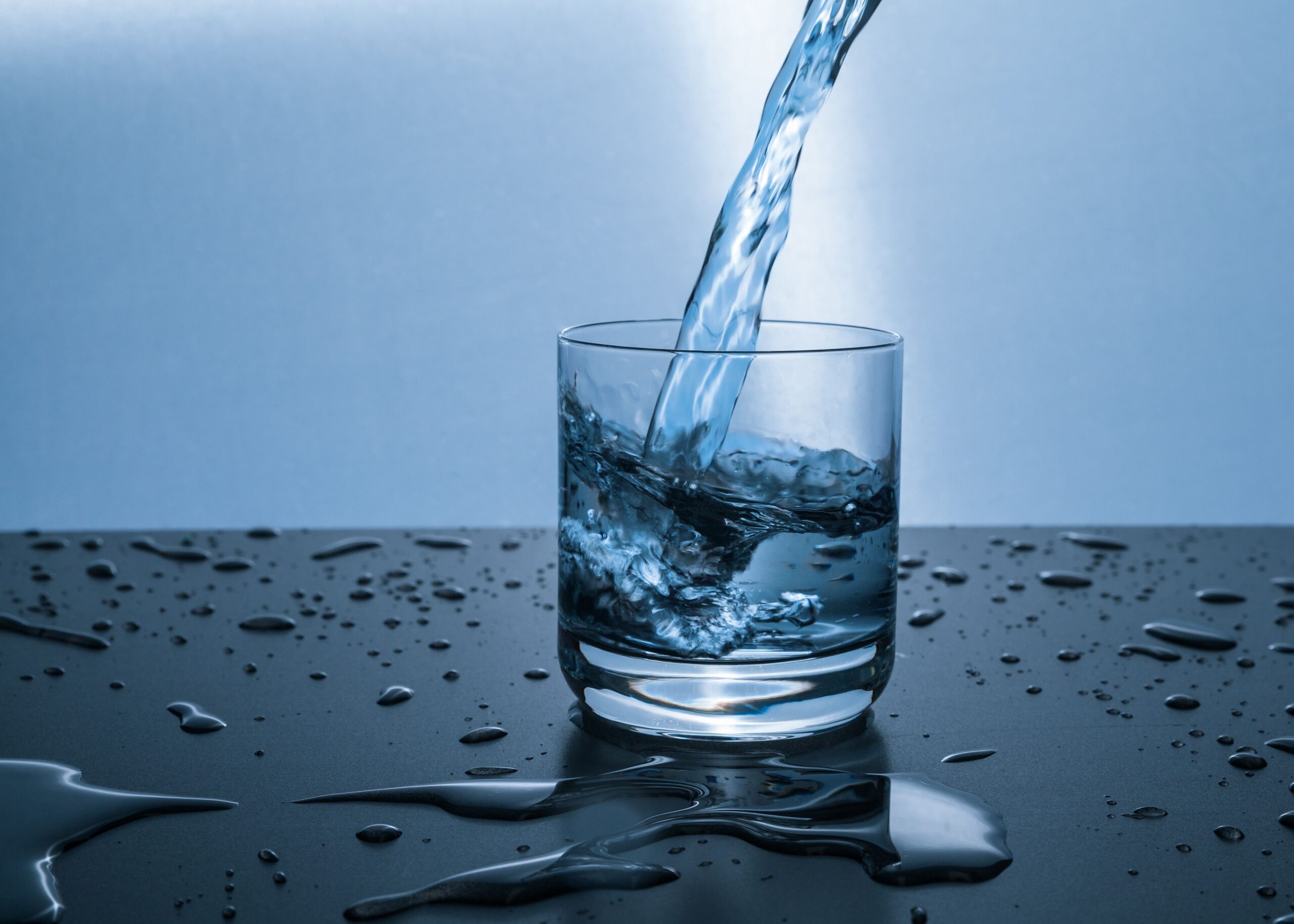
While water is one of the best ways to stay hydrated, it isn’t the only option. Some individuals may be more willing to drink fluids if there is a greater variety available.
Suitable options can include:
- Diluted fruit juices
- Milk
- Herbal teas
- Sugar-free squash
- Water-rich foods such as melon, cucumber, and strawberries
The key is encouraging regular fluid intake in forms that the individual enjoys and is likely to consume consistently.
Supporting Independence Through Good Hydration
Proper hydration can play a surprisingly important role in maintaining independence. When individuals feel energised, alert, and physically well, they are often better able to continue enjoying their daily routines and activities.
By helping older adults stay hydrated, families and carers can support mobility, confidence, cognitive function, and overall quality of life. Something as simple as drinking enough fluids each day can have a meaningful impact on long-term well-being.
How Home Care Can Help
For some individuals, remembering to drink regularly can become difficult, particularly if they live alone or have memory-related conditions.
Professional carers can provide valuable support by encouraging fluid intake, monitoring hydration levels, and helping establish healthy daily routines. This additional reassurance can be particularly beneficial during periods of hot weather when hydration becomes even more important.
Regular care visits also provide an opportunity to identify potential signs of dehydration before they develop into more serious health concerns.
Caring for Wellbeing with Avant Homecare
At Avant Homecare, we understand that quality care is built around the small details that make a big difference. Supporting hydration is one of many ways we help individuals remain healthy, comfortable, and independent throughout the year.
As summer temperatures rise, ensuring adequate fluid intake becomes a simple but essential part of maintaining well-being. With the right support and awareness, older adults can continue to enjoy the warmer months safely and comfortably.
Because good care isn’t just about responding to problems – it’s about helping prevent them before they arise.