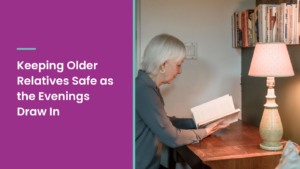

Live-in care reduces loneliness by providing consistent companionship, emotional reassurance, and personalised support within the comfort of a person’s own home. For many older adults and individuals living with long-term health conditions, spending long periods alone can lead to social isolation, anxiety, and declining mental well-being. Live-in care offers a supportive, relationship-led solution that helps people feel connected, valued, and emotionally secure every day.
Below, we explore the key ways live-in care helps reduce loneliness and isolation.
How Live-In Care Reduces Loneliness Through Consistent Companionship
One of the most significant ways live-in care reduces loneliness is through ongoing companionship. Having a dedicated carer living in the home means there is always someone available for conversation, shared meals, and everyday interaction.
This constant human presence helps prevent feelings of abandonment and creates a strong sense of emotional security. Over time, a genuine bond forms between the individual and their carer, offering comfort, trust, and friendship that occasional visits cannot provide.
Live-In Care Reduces Loneliness by Supporting Meaningful Daily Routines
Loneliness often increases when everyday activities become difficult to manage alone. Live-in carers provide practical support with personal care, meal preparation, medication reminders, and household tasks, while encouraging independence wherever possible.
Sharing daily routines – such as cooking together, taking walks, or enjoying hobbies – helps create structure, purpose, and connection. This shared approach plays an important role in how live-in care reduces loneliness and supports emotional well-being.
Reducing Isolation: How Live-In Care Encourages Social Engagement
Another key benefit is how live-in care reduces loneliness by supporting continued social interaction. Carers can help individuals stay connected with family, friends, and the wider community by accompanying them to appointments, social events, or local activities.
They can also assist with phone calls, video chats, and correspondence, ensuring relationships are maintained even when mobility or confidence is limited. This encouragement helps prevent isolation and keeps individuals socially engaged.
Emotional Wellbeing: Why Live-In Care Reduces Loneliness at Home
Living alone can sometimes lead to low mood, anxiety, or feelings of uncertainty. A live-in carer offers emotional reassurance and a calm, familiar presence both during the day and at night.
Having someone who understands personal preferences, routines, and emotional needs helps build confidence and stability. This emotional support is a core reason why live-in care reduces loneliness and improves overall mental well-being.
Staying Independent at Home While Live-In Care Reduces Loneliness
Remaining at home is often central to a person’s sense of independence and identity. However, living alone without adequate support can increase isolation. Live-in care provides one-to-one assistance while allowing individuals to stay in a familiar environment surrounded by their own memories and belongings.
By avoiding the disruption of moving into residential care, individuals can maintain independence, dignity, and emotional connection – further reinforcing how live-in care reduces loneliness at home.
Conclusion: Live-In Care Reduces Loneliness and Enhances Quality of Life
Loneliness and isolation can have a profound impact on physical and emotional health, but with the right support, they can be effectively addressed. Live-in care reduces loneliness by combining practical assistance with meaningful companionship in the place people feel most comfortable – their own home.
With Avant Homecare, live-in care is carefully tailored to each individual, ensuring emotional well-being is prioritised alongside physical care. It’s a compassionate, effective approach that helps people live independently while feeling supported, connected, and never alone.
Contact us to see what we can provide for you and your family.